


On Christmas day 2001 I awoke with that same familiar rush of anticipation that always accompanied Christmas morning. I raced downstairs alongside my brother and sister to the living room, to the sight of presents piled high beneath the tree.
I sighed with relief. The preceding year had been a particularly fraught one for me, and I knew I hadn’t been good. Whether it was the awakening hormones of a young boy or the repression of the nuclear family is impossible to say, but the year was one defined by drama—clashes with siblings, groundings from parents, a disconcertingly recent battle in a bowling alley just nine days ago that ended with my father dragging the whole family out with an hour still left on the clock.
I had spent the weeks leading up to Christmas overcome with anxiety, crying to my parents about how I couldn’t be on the naughty list, how terrified I was of receiving coal, but the presents under the tree finally had assuaged my fears. My father handed me Santa’s first gift, a small square box done up in ribbon, and I couldn’t help but smile.
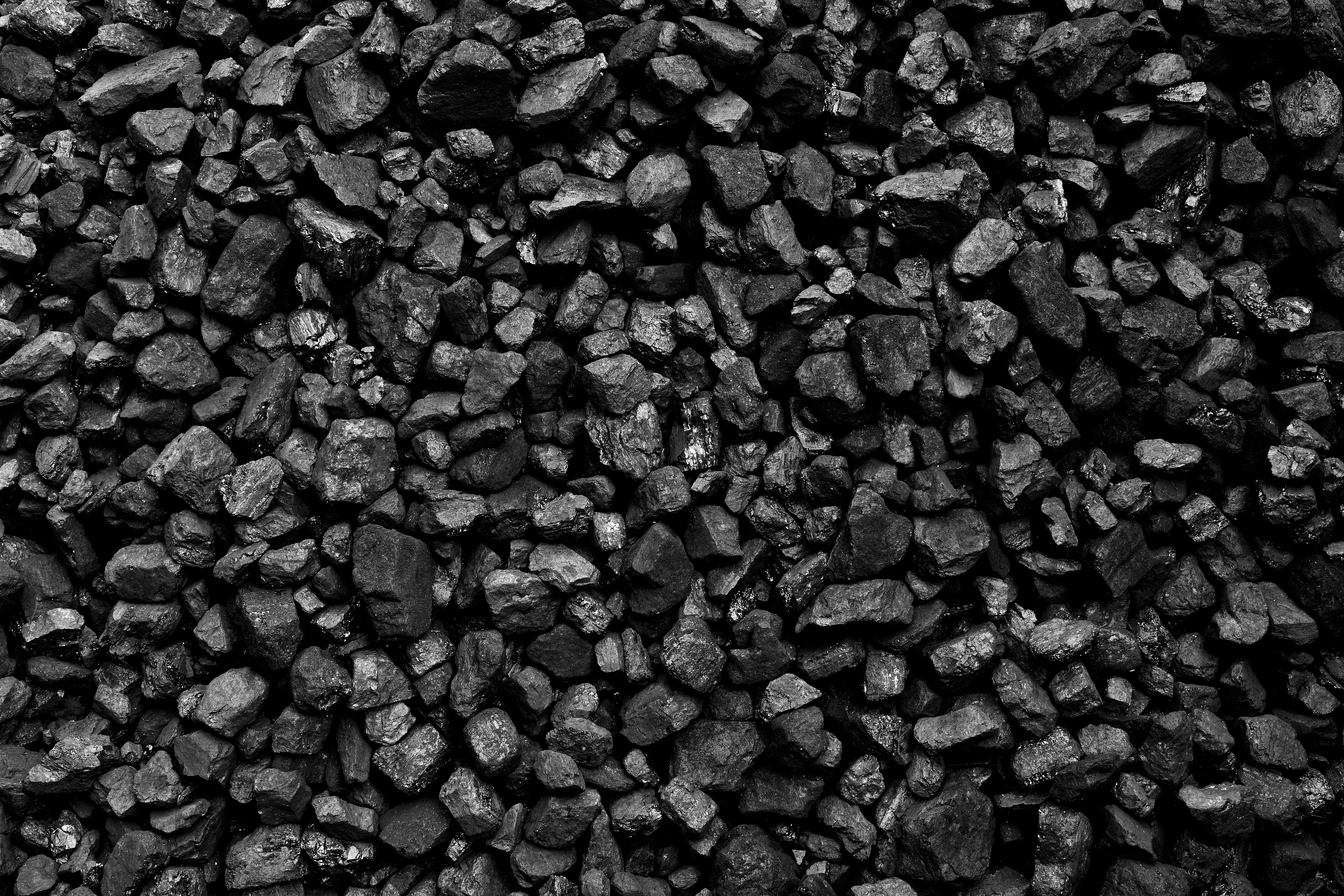
I undressed the box sensually, savoring it as I always did. My first thought was a special baseball, perhaps a decorated one straight from the Red Sox gift shop. Or maybe a brand new glistening ornament to hang high on the family tree. Yet as I lifted the top off the gift box I was only met with blackness.
It was a single piece of coal. Dark, dense, deathly in its composition—an undeniable indictment of my very existence. I held the cold piece of carbon in my hand and brought my gaze up to my father, who fixed his steely gaze on mine and slowly shook his head. Then I burst into tears.
Coal represents the endgame of the totalitarian tradition that is Christmas, the consequence through which the Naughty-Nice apparatus is given its teeth. It is the gift of nothingness, the antithesis of the present, and imparts a lesson that is social, ecological, and theological in its terror.
There is first the social element of receiving coal. To be on the Naughty List and receive no gifts is one thing—to receive coal is another altogether. It is the material embodiment of the binding apparatus in which all children are enrolled, a symbol of dirt, filth, and industry that makes the child’s condemnation concrete. The child who is threatened with coal is not just threatened with social ostracism, as parental invocations of the Naughty List also promise, but with shame and humiliation, a physical reminder of his failure to participate as prescribed in the complicated, complex world.
Its message is also ecological. That the transgressors are not threatened with rocks or onions or shit but instead with a natural resource complicit in a destruction they do not yet know about should surprise nobody. They had the balls to make it coal for a reason. The gift of coal reminds us of the cost of our consumption and our enslavement to it. They mock our children and their futures with this poisonous symbol, and we do not protest but play along.
Yet the social and ecological threats of coal are dwarfed by its religious connotation—the outcome that awaits the child if he or she is not good. The child at whose year end steps into the living room to face either present or punishment reflects the adult at whose life’s end steps up to the Pearly Gates to face Saint Peter. Coal teaches, habituates, and finally conditions, a microcosm of fury and retribution that prepares the child for a lifetime in which the consequence for nonconformity is not just nothing good for one day but everything bad forever. To be surveilled, to be judged, to be condemned to suffering is not the stuff of authoritarian regimes but the throwaway line of an overworked parent, banal yet brutalizing in effect.
That coal is the product of Christian myth is no accident. The child who begins to doubt Santa—mocked by his peers for still believing—who finally, tearfully confronts his parents about their lies on the stairs at the age of seven is freed only briefly. He is seamlessly swept up into the system of control that is the church—a dogma his peers dare not question.
Santa’s chair at the mall is replaced by the confession booth, coal substituted for eternal flames. The child is again immobilized by fear, subjugated by the specter of divine judgment. He doesn’t want to go to hell but it all just feels a little bit fucking weird which makes him even more scared of hell for thinking it but he can’t help thinking it. He’s really watching? He really cares if covet my neighbor’s wife? Does Bobby’s girlfriend count? Eternal damnation, for checking out Abby Carter’s legs in geometry?
Reconciliation, the celebrated Sacrament, plays over and over in his head too, where he, head in his hands, admitted to looking at page 88 of the 2002 Guinness Book of World Records—in which Heidi Klum models the world’s most expensive bra—just a bit too frequently. He broke down into tears, swearing he would be better, begging not to burn forever. The priest was surprisingly chill about it—only three Hail Marys—but the doubts lingered. What kind of loving God would send me to hell for this?
The Bible and the Christmas traditions its central story spawned are not fundamental laws nor sacred texts but polemics against human flourishing cloaked in the language of eternity and salvation. They are authoritarian creeds, from Revelation to Romans to “Santa Claus is Comin’ to Town”, wielded as cudgels, cracked as whips.
Santa is watching, so is God.
Behave.
Potent. You've so vividly renderd that childhood fear. It's interesting how the symbolic weight of coal transitions from a personal childhood dread into a stark, very real threat we teach about today. A powerful metaphor.